
When you’re buying or selling a property, water quality may not be the first issue that comes to mind—but it should be. Drinking water safety plays a critical role in real estate transactions, particularly for homes served by private wells.
If you’re a buyer, certified water testing protects your health and your investment. If you’re a seller, it minimizes risk, prevents delays, and strengthens buyer trust. Lenders and local health authorities also rely on certified results to confirm compliance before approving a transaction. Without proper documentation, even well-negotiated deals can stall or fall apart.
At Innovative Water Solutions Laboratories, we support homeowners, buyers, real estate professionals, and lenders by providing accurate, certified water testing designed specifically for real estate transactions. Understanding why water testing certification matters—and how it affects each stage of a property sale—helps you avoid unnecessary complications and make informed decisions from the start.
What Water Testing Certification Means in a Real Estate Context
Water testing certification refers to laboratory analysis performed by a qualified, accredited laboratory using standardized methods and documented procedures. In real estate transactions, certification matters because it transforms water quality from an assumption into verifiable evidence.
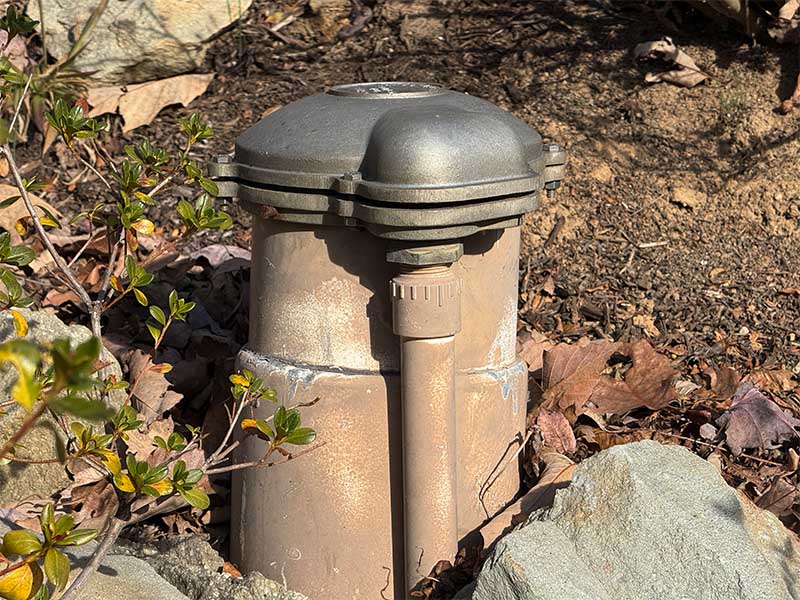
If the property relies on a private well, certified water testing is often required before closing. Unlike municipal water systems, private wells are not routinely monitored by public utilities. That responsibility falls on the property owner, and certification ensures testing meets lender and health department standards.
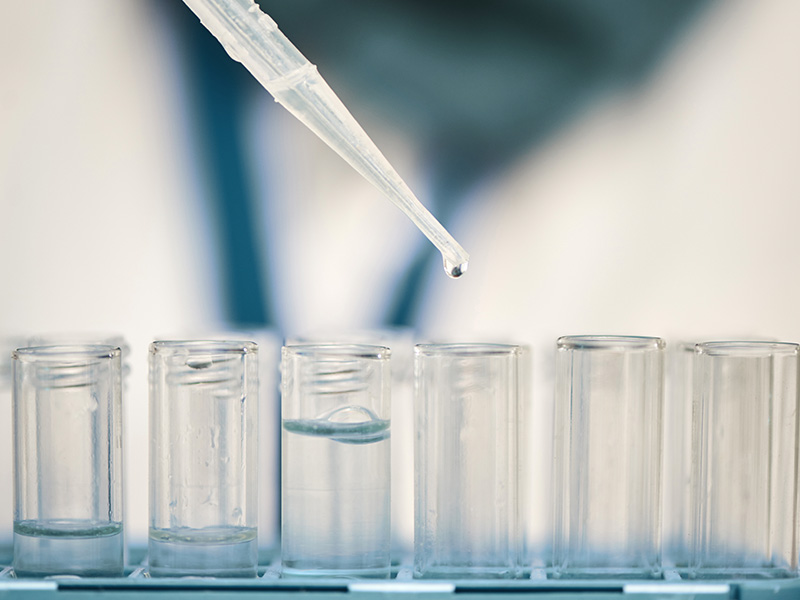
Certified water testing differs significantly from home test kits or informal screening methods. Proper certification requires controlled sample collection, a documented chain of custody, and analysis using approved laboratory techniques. These steps ensure results are accurate, defensible, and accepted by third parties involved in the transaction.
Regulatory and Lender Requirements That Impact Your Closing
Regulatory compliance is one of the most common reasons water testing becomes a required step in real estate transactions. In New Jersey, properties served by private wells are subject to specific testing obligations intended to protect public health and ensure buyers receive accurate information before a sale is finalized. These requirements exist alongside lender standards and must be met to avoid delays or complications at closing.
In New Jersey, water testing requirements for real estate transactions are governed in part by the Private Well Testing Act. This law requires certified water testing for homes served by private wells at the time of sale or lease. The purpose of the PWTA is to ensure that prospective buyers receive current, reliable data about drinking water quality before taking ownership, making certified laboratory testing a critical compliance step across the state.
Lenders also impose their own water quality requirements, particularly for government-backed loans such as FHA, VA, and USDA mortgages. Even when state testing has been completed, lenders may require documentation from a certified laboratory to satisfy underwriting standards. Understanding and addressing both regulatory and lender expectations early in the transaction helps prevent last-minute issues and keeps the closing process on schedule.
Common Water Testing Requirements for Real Estate Transactions
While requirements vary by location and loan type, certified water testing commonly includes:
- Coliform bacteria and E. coli testing
- Nitrate and nitrite analysis
- Lead and arsenic screening
- Certified laboratory reports accepted by FHA, VA, and USDA lenders
Failing to meet these requirements can delay underwriting, trigger retesting, or jeopardize financing altogether. But you can typically avoid these costly surprises and keep your transaction moving forward by addressing water testing requirements early.
Health Risks You Can’t Afford to Overlook
Drinking water contaminants often go undetected without laboratory analysis. Many harmful substances are tasteless, odorless, and invisible, making visual inspection unreliable. Certified water testing is the only way to accurately assess health risks before a real estate transaction is finalized.
Bacterial contamination can cause gastrointestinal illness and signal larger issues with well construction or septic systems. Nitrates pose serious risks to infants and pregnant individuals. Long-term exposure to metals such as lead and arsenic can lead to neurological damage and chronic health conditions.
If you’re a buyer, discovering contamination after closing can result in unexpected medical concerns and costly treatment installations. If you’re a seller, undisclosed water quality issues can expose you to legal liability and damage your credibility.
Certified water testing protects everyone by documenting water quality at a specific point in time. It allows you to identify issues early, address them responsibly, and proceed with confidence knowing health risks have been properly evaluated.
How Water Quality Influences Property Value and Buyer Confidence
Water quality has a direct impact on how buyers perceive a property. For homes with private wells, uncertainty about drinking water safety can raise immediate concerns and slow decision-making.
If you’re selling, certified water results can reinforce your asking price and reduce the likelihood of renegotiation. Buyers are less likely to question value when water safety has been independently verified. If issues are identified, addressing them proactively allows you to control costs and expectations rather than reacting under time pressure.
For buyers, certified results provide a factual basis for evaluating long-term ownership costs. You can assess whether treatment systems are needed, factor remediation into negotiations, and avoid unexpected expenses after closing.
By reducing ambiguity, water testing certification supports smoother negotiations, stronger buyer confidence, and more predictable transaction outcomes.
Timing, Process, and Best Practices for Certified Water Testing
The timing of water testing can significantly influence the success of a real estate transaction. Testing too late increases the risk of delays if results require follow-up or remediation. Ideally, certified water testing should be scheduled early enough to allow flexibility.
Proper sampling is critical. Certified testing requires specific collection procedures to prevent contamination or invalid results. Using a certified laboratory ensures samples are handled correctly and results are accepted by lenders and regulators.
Best Practices for Certified Water Testing During a Property Sale
To avoid unnecessary complications, follow these best practices:
- Schedule water testing early in the transaction timeline
- Confirm lender and local health department requirements in advance
- Use a certified laboratory for both sampling and analysis
- Allow time for remediation or retesting if results exceed standards
When these steps are followed, water testing becomes a predictable part of the transaction rather than a last-minute obstacle.
Why Certified Water Testing Is a Smart Investment
Real estate decisions often hinge on how well potential risks are managed before they surface. Certified water testing brings clarity at a critical point in the transaction, helping prevent avoidable delays and keeping the focus on moving the sale forward.
Innovative Water Solutions Laboratories provides certified water testing that supports efficient, well-documented real estate transactions when accuracy and regulatory alignment matter most. If you’re preparing for a property sale or purchase, contact us to schedule certified water testing and ensure water quality is addressed early so your transaction stays on track.