

In the fast-paced world of real estate, agents juggle countless details to ensure smooth transactions for their clients. One detail that often causes stress and confusion is compliance with New Jersey’s Private Well Testing Act (PWTA).
For buyers and sellers of homes with private wells, this testing is not optional—it’s a legal requirement. Yet, many real estate agents find themselves unsure of what the law entails and how to guide their clients through the process. Innovative Water Solutions Laboratories offers PWTA testing that makes compliance easier, helping you provide seamless service to your clients.
By understanding the nuances of the PWTA and having the right partners in place, you can protect your clients and prevent last-minute complications at closing. This guide will break down what you need to know about PWTA testing, common challenges, treatment solutions, and how to build trust by managing compliance with confidence.
Understanding the Private Well Testing Act
The Private Well Testing Act, or PWTA, was enacted to protect public health by ensuring that private well water meets state safety standards before property transfers occur. Unlike municipal water systems, which are regulated and routinely tested by local authorities, private wells are the responsibility of the property owner. Without proper oversight, contaminants can go undetected, posing health risks to anyone consuming the water.
Under this law, both the buyer and seller must receive and review the test results before closing. The law applies to nearly all private residential wells in New Jersey. It includes testing for contaminants such as bacteria, nitrates, arsenic, lead, volatile organic compounds (VOCs), and, in certain counties, radionuclides. Testing must be performed by a certified laboratory to ensure accuracy and compliance with the state’s requirements.
As a real estate agent, your understanding of the scope of the PWTA is critical, as noncompliance can delay or even derail a closing. By having a clear grasp of the requirements and educating clients early in the process, you can better anticipate potential issues and keep transactions on track.
Why PWTA Compliance Matters in Real Estate
Compliance with the PWTA is more than a legal obligation; it directly impacts buyer confidence and seller accountability. A failed well test can raise serious concerns about the safety and value of a property. While a timely and accurate test reassures buyers that they are making a sound investment. Without testing, a transaction can legally be blocked from closing, creating frustration for everyone involved.
As a real estate agent, if you are proactive in managing the testing process, you will not only avoid last-minute complications but also demonstrate your commitment to client satisfaction. Clients rely on their agent to guide them through every step, and water testing is no exception. By making PWTA compliance part of standard practice, you create smoother transactions and enhance your reputation as a trusted advisor.
The Testing Process Explained
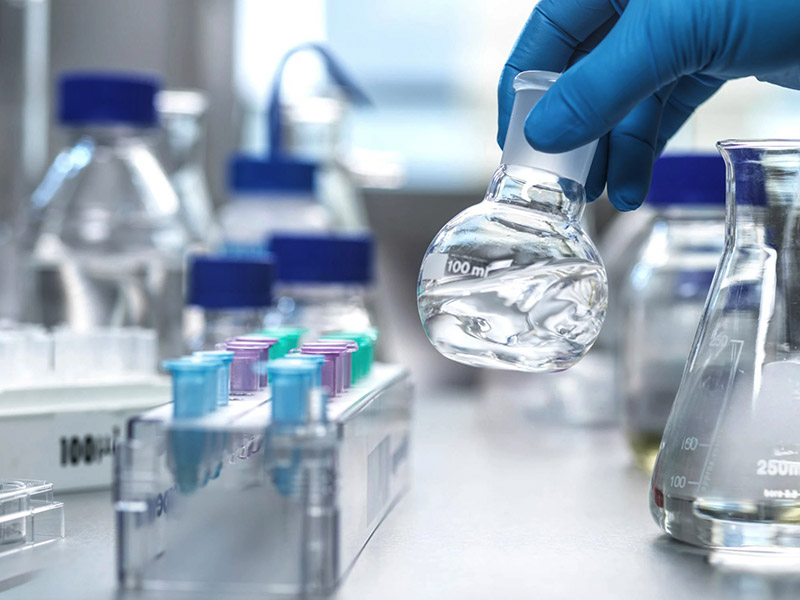
During PWTA testing, a professional laboratory technician collects water samples directly from the property’s well or designated tap. They follow strict chain-of-custody procedures to ensure accuracy and integrity. Proper collection is critical, as mishandled samples can produce inaccurate results and force repeat testing.
Once collected, the samples are analyzed for a wide range of contaminants. Microbiological testing identifies coliform and E. coli bacteria, which are indicators of potential waterborne illnesses. Chemical testing evaluates levels of nitrates, arsenic, lead, and other naturally occurring or human-made contaminants. In addition, VOC testing screens for industrial chemicals and solvents that may have leached into groundwater.
Turnaround times vary depending on the laboratory and the type of testing required, but it’s not uncommon for results to be available within a couple of weeks. Working with an experienced laboratory helps expedite the process without compromising accuracy. Having a reliable testing partner means you can guide your clients through each step, reducing stress and avoiding unnecessary delays.
Common PWTA Testing Challenges
One of the most common challenges in PWTA compliance is unexpected test results. Elevated levels of contaminants can come as a surprise to both buyers and sellers, often creating tension in negotiations. Buyers may worry about health risks, while sellers may feel blindsided by potential remediation costs.
Another challenge is timing. Many agents wait until late in the sales process to schedule water testing, which can backfire if results reveal a problem. Because remediation can take days or weeks, waiting until the last minute can put the closing date in jeopardy. In addition, logistical hurdles such as scheduling delays or missing documentation can create unnecessary obstacles.
By collaborating with a knowledgeable water testing company, you can offer practical solutions and help your clients understand both the problem and the available treatment options. This proactive approach minimizes surprises and strengthens trust between you and your clients.
Water Treatment Solutions for Failing Results
When a property fails a PWTA test, it doesn’t have to derail the sale. Most water problems can be corrected with reliable, proven solutions. You don’t need to be a technical expert, but having a working knowledge of treatment options will help you reassure clients. Below are the most common solutions and how they help:
Granular Activated Carbon (GAC) Filters
Carbon filtration is highly effective at removing volatile organic compounds (VOCs), industrial solvents, long-chain PFAS, and other chemical pollutants. In addition, GAC filters improve taste and odor, making water more appealing to buyers. Because they address both safety and aesthetics, these systems are a popular choice for properties with organic chemical contamination.
Reverse Osmosis (RO) Systems
RO systems force water through a fine membrane that removes contaminants such as nitrates, arsenic, and short- and long-chain PFAS. They provide exceptionally pure water, which is ideal for drinking and cooking. Due to their slower filtration, they are typically installed as a point-of-use system. As the gold standard in water filtration, RO systems are a reassuring solution for health-related concerns and are very popular among buyers who want bottled-water quality at home.
Ultraviolet (UV) Disinfection Systems
UV systems use high-intensity light to destroy bacteria such as coliform and E. coli, purifying water and making it safe to drink without the use of chemicals. They are simple to install, require only annual bulb replacements and minimal maintenance, and provide peace of mind for buyers worried about waterborne illness. This option is often preferred when clients want a chemical-free solution.
Chlorination Systems
Chlorination is one of the oldest and most reliable methods of disinfecting well water. By introducing controlled amounts of chlorine, it eliminates harmful bacteria and can also reduce odors like sulfur. For properties with recurring bacterial issues, chlorination offers long-term protection and is often combined with carbon filtration for improved taste.
Ion Exchange Units
These systems work by replacing harmful contaminants like nitrates, arsenic, or uranium with safe ions such as chloride. They are also widely used to reduce hardness minerals, which means they can improve both health and water aesthetics at the same time. Because they can address multiple issues at once, ion exchange units are a versatile option for homeowners.
Water Softeners
Hard water causes staining on sinks and laundry, as well as scale buildup in appliances and pipes. Water softeners remove the minerals that cause hard water, improving both the quality of the water and the condition of household systems. For buyers, this adds value by reducing maintenance costs and extending the lifespan of appliances.
By helping clients understand that nearly every water issue has a solution, you can reduce stress and keep transactions on track. This means you can focus on closing deals while your clients gain confidence in their water quality.
The Role of Real Estate Agents in PWTA Compliance
By staying informed about the law and the testing process, you can act as a trusted resource for your clients. This includes recommending certified laboratories, coordinating test scheduling early in the sales process, and ensuring all parties receive and understand the results.
Agents who embrace this responsibility strengthen their reputation as knowledgeable advisors and protect their clients from unnecessary risks. For sellers, you can explain the importance of testing early, so remediation, if needed, doesn’t interfere with closing. For buyers, you can provide clarity on what test results mean and what treatment solutions are available.
Your Partner in PWTA Compliance
Innovative Water Solutions Laboratories understands the unique challenges real estate agents face when it comes to PWTA compliance. To make the process easier, we provide fast and accurate water testing. Our goal is to give both you and your clients confidence in understanding the results so that informed decisions can be made without delays.
Our team goes beyond simply delivering test results. We take the time to explain what the findings mean, answer client questions, and outline possible next steps if contaminants are detected. This guidance helps reduce confusion for both you and your clients.
By partnering with us, you can offer your clients peace of mind, knowing they have access to accurate testing, transparent reporting, and expert interpretation.
Trust IWSL With Your Client’s PWTA Testing Needs
PWTA compliance doesn’t have to be a complicated or stressful part of the real estate process. With the right knowledge and expert support, you can turn a potential obstacle into an opportunity to strengthen your clients’ trust in you. Understanding PWTA requirements, anticipating challenges, and partnering with a trusted water testing company like Innovative Water Solutions Laboratories ensures that every transaction proceeds smoothly.
If you are a real estate agent looking to simplify PWTA compliance and better serve your clients, contact IWSL today to learn how we can help streamline the process.