
Clean water is one of the most essential elements of a healthy environment, community, and business operation. Whether you manage an industrial facility, oversee a municipal system, or run an agricultural enterprise, you’re responsible for ensuring that your water practices meet environmental standards. However, environmental compliance isn’t just about meeting legal obligations—it’s about protecting ecosystems, maintaining public trust, and running sustainable operations.
At Innovative Water Solutions Laboratories (IWSL), we understand how complex these responsibilities can be. Our mission is to help you meet and maintain compliance through accurate, science-driven water testing. In this article, you’ll learn how water testing supports environmental compliance, what regulations apply to your operation, and how to ensure your testing program remains both effective and efficient.
Understanding Environmental Compliance in Water Management
Environmental compliance means following the laws, regulations, and permits that govern how you manage and discharge water. These requirements exist to keep contaminants—such as chemicals, heavy metals, and bacteria—within safe limits for humans and ecosystems.
If you operate within the United States, the Environmental Protection Agency (EPA) and your state’s environmental agency set the standards you must meet. The Clean Water Act (CWA) regulates pollutant discharges into surface waters, while the Safe Drinking Water Act (SDWA) governs the quality of public water supplies.
When you manage water as part of your operations—whether through discharge, reuse, or treatment—you’re required to monitor specific parameters that show your compliance. Without regular testing, it’s easy to overlook small problems that can quickly escalate into violations, fines, or environmental damage.
Water testing allows you to catch those issues early. It gives you the data needed to adjust processes, ensure regulatory limits are met, and demonstrate accountability to inspectors and your community.
Why Regular Water Testing Is Essential for Compliance
Routine water testing is one of the most effective ways to maintain compliance and protect your business from costly setbacks. Regular testing helps you identify potential issues before they lead to violations or environmental harm.
By scheduling consistent testing, you gain several advantages:
- Early Detection: Regular testing helps you identify contaminants such as heavy metals, nitrates, or bacteria before they exceed legal thresholds.
- Operational Efficiency: Your testing data can highlight inefficiencies in your processes, allowing you to fine-tune treatment systems and reduce costs.
- Audit Readiness: Having complete and up-to-date testing records ensures you’re prepared for regulatory inspections at any time.
- Public Trust: Demonstrating transparency through accurate testing fosters confidence among customers, employees, and regulators.
In short, water testing is your first line of defense—protecting your operation, your reputation, and the environment.
Key Parameters and Methods in Environmental Water Testing
Every water testing program should be tailored to your operation’s specific needs and permit requirements. Understanding which parameters to test for—and the methods used—is essential to compliance.
The most common water quality indicators include:
- pH and Conductivity: These reveal acidity and dissolved minerals, both of which affect aquatic ecosystems and system efficiency.
- Heavy Metals: These elements can be toxic even in trace amounts and often originate from industrial activity or corrosion.
- Nutrients (such as nitrates and phosphates): Excess levels cause algal blooms and oxygen depletion in waterways.
- Bacteria: Indicate contamination from sewage or animal waste.
- Turbidity and Suspended Solids: Affect both water clarity and filtration system performance.
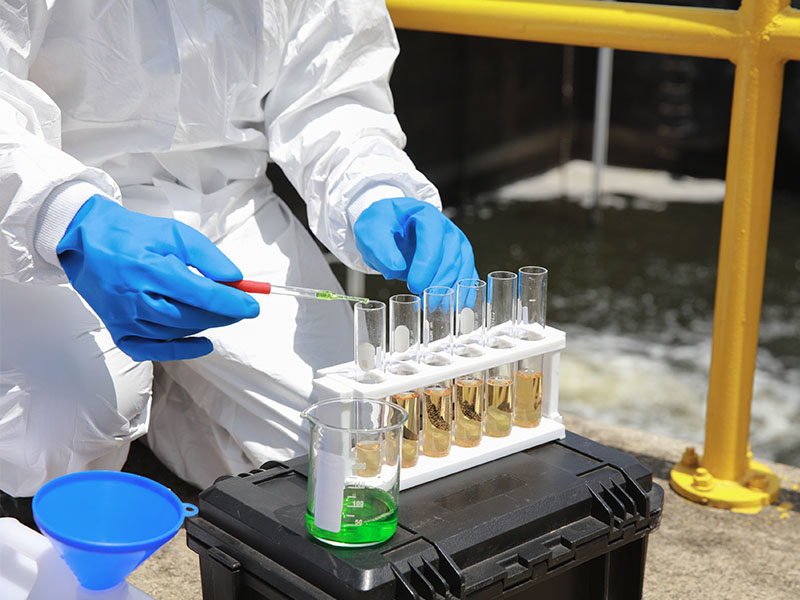
Testing for these parameters typically follows EPA-approved methods, such as EPA 200.8 for metals, or standard testing procedures recognized across the industry. Modern laboratories use technologies like Inductively Coupled Plasma Mass Spectrometry (ICP-MS) and Gas or Liquid Chromatography to deliver precise, defensible results. When you choose a certified lab like IWSL, you ensure your data meets regulatory expectations and stands up to scrutiny.
Navigating Federal and State Water Regulations
If you manage water as part of your operation, you’re likely subject to both federal and state regulations. Understanding these frameworks is key to staying compliant.
At the federal level, the Clean Water Act (CWA) regulates pollutant discharges into U.S. waters. If your facility discharges wastewater, you’ll need a National Pollutant Discharge Elimination System (NPDES) permit, which sets specific monitoring and reporting requirements.
The Safe Drinking Water Act (SDWA) ensures public drinking water meets safety standards by limiting the presence of harmful contaminants. If you operate a public water system, you must test regularly and report results to your local regulatory body.
However, state agencies often impose additional requirements that reflect local water concerns. You might face stricter limits on nutrients, metals, or emerging contaminants like PFAS, depending on your region and industry.
Regulations can evolve, and many compliance issues arise when testing protocols don’t keep pace with updated standards. To stay ahead, it’s important to review your permits regularly and work with a lab that monitors regulatory changes on your behalf.
When you understand your regulatory landscape, you can focus less on navigating complexity and more on operating responsibly.
How Accurate Data and Reporting Strengthen Compliance
Testing water samples is only part of the compliance process—how you manage, document, and report your results is just as important. Regulators don’t just want to see clean water; they want verifiable proof that your data is accurate and traceable.
That means keeping detailed records of:
- Sampling times and locations
- Chain-of-custody documentation
- Equipment calibrations and maintenance logs
- Laboratory certifications and testing methods used
Many organizations now use digital tools like Laboratory Information Management Systems (LIMS) to store, track, and share testing data. This ensures that every piece of information—from sampling through analysis—is documented and easy to retrieve during audits. Over time, your testing records also serve as a valuable resource for identifying trends and improving operational performance.
Good data management turns compliance into a proactive strategy rather than a reactive obligation.
Overcoming Common Compliance Challenges
Even with the best intentions, maintaining water quality compliance can be challenging. You might face unexpected hurdles that make testing and reporting more complicated than it seems on paper.
Some of the most common challenges include:
- Sampling Mistakes: Improper collection or handling can skew results and create false compliance concerns.
- Inconsistent Testing Schedules: Irregular testing leaves gaps that regulators may view as non-compliance.
- Complex Operations: Facilities with multiple discharge points or treatment systems often require detailed, coordinated testing plans.
- Limited Budgets: Smaller operations sometimes struggle to fund routine testing and reporting programs.
- Changing Regulations: Environmental standards are constantly updated, which means your compliance strategy needs to evolve, too.
The best way to overcome these challenges is to work with a certified, experienced laboratory that understands the regulatory environment. Partnering with professionals who specialize in water compliance can help you design a cost-effective testing plan, interpret your data, and avoid common mistakes.
The Broader Role of Water Testing in Environmental Sustainability
Beyond meeting legal requirements, water testing plays a vital role in protecting the environment and promoting long-term sustainability. When you test your water regularly, you’re not just checking boxes—you’re taking an active role in safeguarding ecosystems and conserving resources.
Municipal systems rely on accurate testing to protect public health. Industrial facilities use testing data to reduce waste, optimize production processes, and minimize environmental impact. Agricultural operations depend on water analysis to prevent nutrient runoff and protect soil and waterways.
On a global level, consistent water testing supports goals like the United Nations’ Sustainable Development Goal 6: ensuring access to clean water and sanitation for all.
When you see water testing as part of your sustainability strategy—not just a compliance task—you build a foundation for responsible growth. You contribute to cleaner waterways, healthier communities, and a stronger reputation for environmental leadership.
Partner with IWSL for Trusted Compliance and Sustainability
Water testing is at the heart of environmental compliance. It gives you the insight and evidence needed to stay within regulations, protect your community, and operate responsibly. From detecting contaminants to maintaining detailed compliance records, every test strengthens your commitment to environmental stewardship.
At Innovative Water Solutions Laboratories, we take pride in helping you navigate the complex world of water quality regulations. Our team combines industry expertise, advanced technology, and certified testing methods to deliver reliable, defensible results.
When you work with us, you gain more than a laboratory—you gain a trusted partner dedicated to protecting your organization and the environment. Contact us today to learn how our water testing services can help you meet your environmental compliance goals with precision and peace of mind.