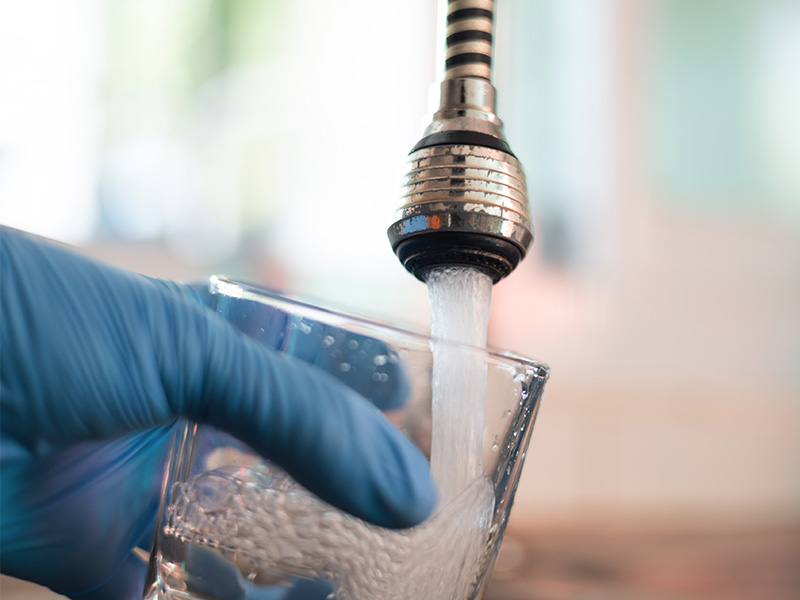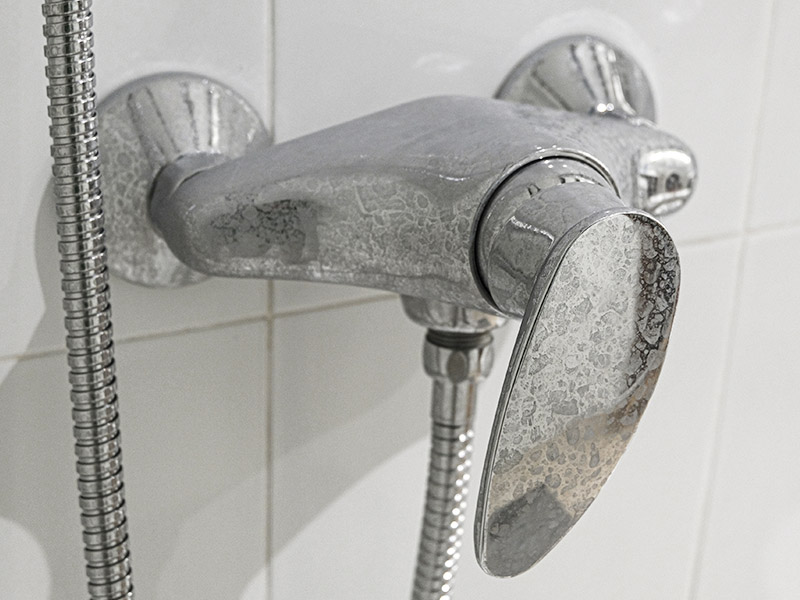

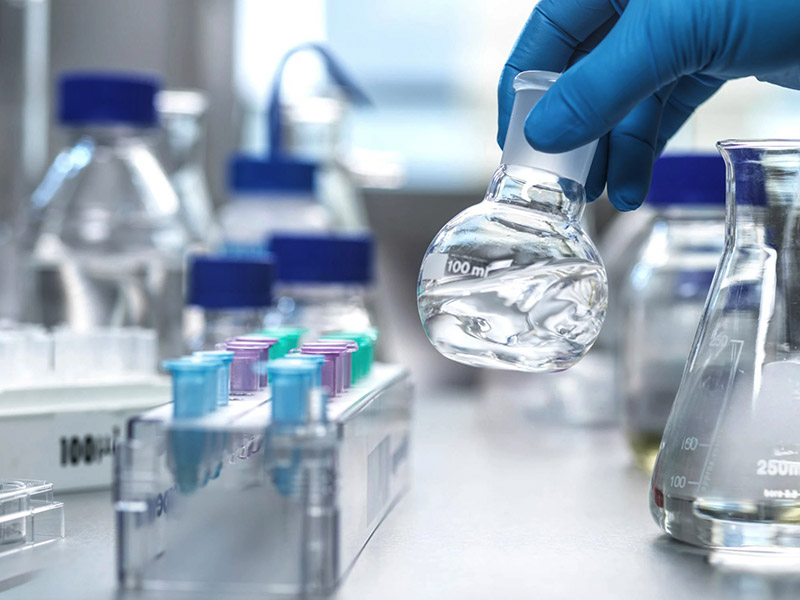
If you’re selling a home in New Jersey with a private well, PWTA testing isn’t optional. It’s required under the New Jersey Private Well Testing Act. Before your real estate transaction can close, your well water must be tested by a certified laboratory, and the results must be shared with both the buyer and seller.
Because PWTA testing is legally required during a home sale, the results can directly impact your closing timeline. If contaminants exceed state standards, you’ll need to correct the issue and retest before the transaction can move forward.
At Innovative Water Solutions Laboratories, we specialize in certified PWTA testing for homeowners throughout New Jersey. We understand how important fast, accurate results are during a real estate transaction, and we help guide you through what happens next if something shows up in your report.
Below, you’ll find the most common contaminants identified in PWTA testing and exactly how to fix them so your home sale stays on track.
Understanding What PWTA Testing Covers
PWTA testing isn’t general water testing. It’s a state-mandated analysis required when you’re selling a property served by a private well in New Jersey.
The test evaluates more than 40 parameters, including:
- Total coliform bacteria and E. coli
- Nitrates and nitrites
- Lead
- Iron and manganese
- Arsenic in certain regions
- Mercury in some counties
- Volatile organic compounds (VOCs)
- pH and other general chemistry indicators
- Gross alpha radiation, where applicable
If results exceed New Jersey’s maximum contaminant levels, corrective action is typically required before closing.
Let’s break down what commonly causes delays and how you can fix each issue.
Bacteria in PWTA Testing and How to Fix It
Bacteria are one of the most common reasons a PWTA test exceeds state standards. The test looks specifically for total coliform bacteria and E. coli.
If total coliform is detected, it indicates your well may be vulnerable to surface contamination. If E. coli is detected, that signals fecal contamination and requires immediate correction.
How to Fix Bacterial Contamination
If your PWTA results show bacteria, you’ll typically need to:
- Perform shock chlorination to disinfect the well and plumbing system.
- Inspect and repair the well cap, casing, or seals if they’re compromised.
- Improve grading around the well to prevent surface water intrusion.
- Retest through a certified laboratory to confirm bacteria have been eliminated.
If bacteria continue to reappear, installing a permanent treatment system is often necessary:
- Ultraviolet (UV) disinfection systems
- Continuous chlorination systems
- Combination filtration and disinfection units
Once treatment is installed, compliance retesting is required before your home sale can proceed.
Nitrates in Well Water and How to Reduce Them
Nitrates are common in groundwater, especially in rural or agricultural areas. They enter wells through fertilizer runoff, septic systems, or surrounding land use.
You won’t notice nitrates by taste or smell. Only laboratory testing can detect them.
How to Fix Elevated Nitrate Levels
Unlike bacteria, nitrates cannot be eliminated through shock treatment. You’ll need a treatment system designed specifically for nitrate removal, such as:
- Reverse osmosis systems installed at kitchen taps
- Whole-house ion exchange systems
- Distillation units
After installation, your water must be retested to confirm nitrate levels are below the allowable limit.
Because nitrate treatment can take time to install, early PWTA testing helps prevent last-minute delays.
Lead and Other Metals: What to Do If Levels Are High
PWTA testing includes lead and may include arsenic, mercury, iron, and manganese, depending on your location.
Lead often comes from plumbing inside the home rather than the well itself. Arsenic may be naturally occurring in certain New Jersey groundwater regions.
How to Fix Metal Contamination
Your corrective action depends on the metal identified:
For Lead:
- Replace old plumbing components or fixtures.
- Install a point-of-use reverse osmosis system at drinking water taps.
- Flush plumbing systems regularly if minor exceedances are detected.
For Arsenic:
- Install reverse osmosis or adsorptive media filtration systems.
- Conduct periodic monitoring to ensure long-term compliance.
For Iron and Manganese:
- Install oxidation filtration systems.
- Use iron filters or water softeners designed for metal removal.
Once treatment is in place, the water must be retested to verify that levels meet state standards before the real estate transaction can close.
VOCs and Chemical Contaminants: Corrective Options
Volatile organic compounds, or VOCs, are chemical contaminants that can enter groundwater from fuel leaks, industrial activity, or environmental runoff.
Although VOC exceedances are less common in residential wells, they can significantly delay your home sale if detected above allowable limits.
How to Fix VOC Contamination
If VOCs are identified in your PWTA test:
- Install granular activated carbon (GAC) filtration systems.
- Consider advanced treatment systems if contamination levels are high.
- Investigate potential sources of contamination if necessary.
- Retest through a certified laboratory to confirm compliance.
Because VOC treatment systems require professional installation, acting quickly is important once results are available.
What Happens After You Install Treatment?
Once you’ve addressed the contaminant, your home’s water must be retested by a certified laboratory to demonstrate compliance with PWTA standards.
The process typically follows these steps:
- Install the appropriate treatment system.
- Allow the system to operate and stabilize.
- Schedule compliance retesting.
- Provide updated laboratory results to all parties involved in the sale.
Until compliant results are issued, the transaction cannot legally close.
This is why working with a water testing laboratory that understands the Private Well Testing Act and real estate timelines is critical.
Keep Your Home Sale on Track with Certified PWTA Testing
When you’re selling a home with a private well, you need more than a basic lab report for compliance with New Jersey’s PWTA. You need accurate testing, clear interpretation, and practical direction so you can resolve any issues quickly and keep your closing on track.
At Innovative Water Solutions Laboratories, PWTA testing is one of our core services. Homeowners, real estate professionals, and attorneys across New Jersey rely on us for certified water testing, fast turnaround times, and reporting that fully meets state requirements. We understand the urgency of real estate transactions and provide the clarity you need during a critical stage of your sale.
If you’re preparing to sell your home, schedule your PWTA test with IWSL and move toward closing with confidence and expert support.