
Spring in New Jersey brings longer days, warmer temperatures, and frequent heavy rainstorms. While the season feels refreshing, it also creates hidden challenges for your home’s drinking water. When rainfall intensifies, runoff becomes a major concern, carrying contaminants from the ground into local water supplies. As a homeowner, you might not immediately connect spring rain with your tap water, but the link is more direct than it seems.
This guide from Innovative Water Solutions Laboratories will help you understand how runoff impacts your drinking water along with what you can do to stay ahead of springtime water problems. Our goal is to empower you to make informed decisions and help you maintain your access to quality water.
What Is Runoff and Why It Increases in Spring
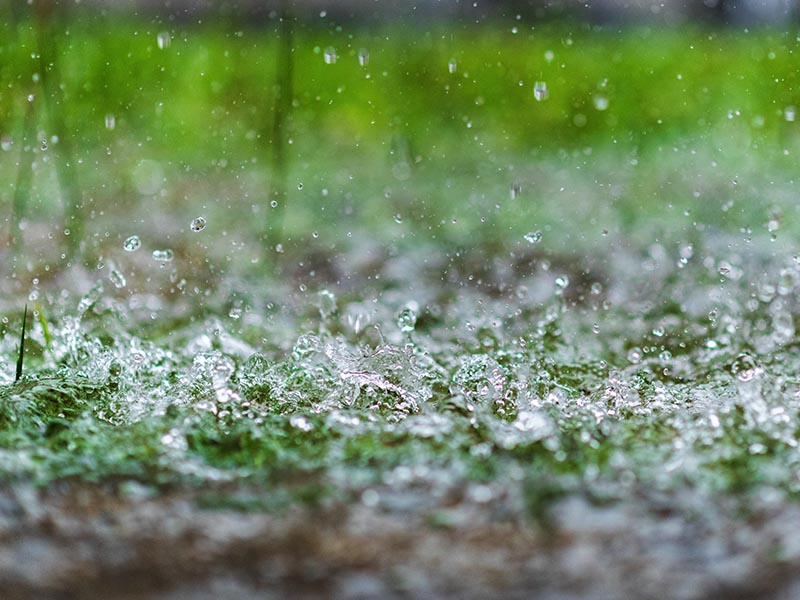
During heavy spring rains in New Jersey, the ground often becomes saturated from the amount of rainfall. Once the soil reaches its absorption limit, excess water begins to move across surfaces, collecting pollutants along the way.
Several seasonal factors make runoff more intense in the spring. Snowmelt adds extra water to the ground, while frequent storms keep soil consistently wet. This combination limits absorption and increases the volume of water moving across land. In residential areas, hard surfaces such as driveways, sidewalks, and roads make the situation worse by preventing water from soaking in naturally.
As runoff flows, it travels quickly and covers a wide area. You might notice puddles forming in your yard or water rushing into storm drains, but what happens beneath the surface is more concerning. This moving water acts like a transport system, picking up contaminants and carrying them toward nearby waterways.
The more water that flows over land, the more opportunity there is for pollutants to enter water sources. That’s why spring is one of the most important times of year to monitor and protect your drinking water.
Common Contaminants Carried by Runoff
The pollutants that are carried by runoff vary depending on your surroundings, but several common types are especially relevant for homeowners in New Jersey.
Some of the most common contaminants include:
- Fertilizers and pesticides from lawns and agricultural areas
- Oil, gasoline, and heavy metals from roads and driveways
- Bacteria, viruses, and parasites from animal waste and sewage
- Sediment, soil, and organic debris that increase turbidity
Agricultural and lawn chemicals are among the most widespread concerns. These substances often contain nitrates and phosphates, which can alter water chemistry and pose health risks when levels become elevated.
Urban runoff introduces additional pollutants into the mix. Oil and heavy metals build up on paved surfaces and are easily washed into storm drains during rainstorms. Over time, these contaminants can reach reservoirs and groundwater sources.
Biological contaminants become especially concerning after heavy rain. Increased runoff can overwhelm septic systems and carry harmful microorganisms into water supplies, particularly affecting private wells.
Recognizing what runoff carries helps you understand why water quality can change quickly during the spring season and why regular monitoring matters.
How Runoff Reaches Your Drinking Water Supply
In New Jersey, drinking water comes from both surface water and groundwater, and both sources are vulnerable during storms.
Surface water sources such as rivers, lakes, and reservoirs are directly exposed to runoff. When heavy rain occurs, these bodies of water receive large volumes of incoming flow that may contain pollutants. Although municipal treatment facilities work to remove contaminants, sudden spikes in pollution can still challenge their systems.
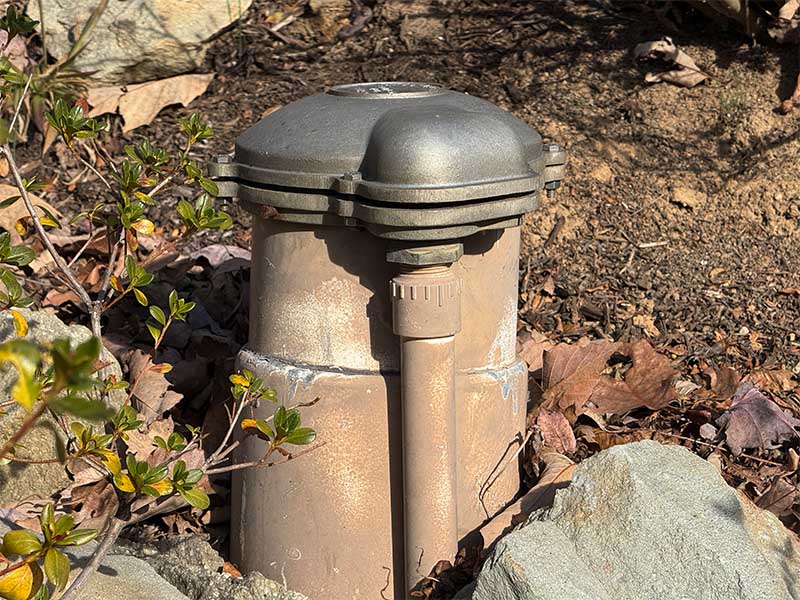
If your home relies on a private well, the pathway can be even more direct. Runoff can seep into the ground and reach underground aquifers. Shallow wells or those with poor construction are especially at risk, allowing contaminants to enter without clear warning signs.
Stormwater systems also contribute to the issue. In many communities, runoff flows directly into natural waterways with little to no treatment. That means anything carried by runoff can eventually influence drinking water sources.
These pathways make it clear why heavy spring rains shouldn’t be overlooked. The faster runoff moves, the easier it becomes for pollutants to reach your drinking water supply.
Signs Your Water May Be Affected After Heavy Rain
After heavy spring rains, your water may show signs of change. Some indicators are easy to spot, while others require closer attention. Recognizing these warning signs early helps you take action before issues become more serious.
Watch for the following signs:
- Cloudy, murky, or discolored water
- Unusual tastes, including metallic or earthy flavors
- Strong or unfamiliar odors
- Changes in water pressure or flow
- Health symptoms such as stomach discomfort or skin irritation
Cloudiness often indicates increased sediment or turbidity, which may signal the presence of additional contaminants. Changes in taste or smell can point to chemical or organic pollution entering your water supply.
If you rely on a private well, system irregularities may also appear after heavy rainfall. Fluctuating pressure or unusual noises can indicate that runoff has affected groundwater conditions.
Health-related symptoms shouldn’t be ignored. If multiple people in your household experience similar issues, your water quality could be a contributing factor.
Paying attention to these signs allows you to respond quickly. Testing your water is the most reliable way to determine whether runoff has impacted your supply.
Preventative Measures Homeowners Can Take
You can’t control the weather, but you can reduce its impact on your drinking water. Taking preventative steps around your property helps limit contamination and protect your home’s water supply during heavy spring rains.
Consider implementing the following actions:
- Direct water away from your home: by maintaining gutters and downspouts. This helps prevent runoff from pooling near your foundation or well, where contaminants can seep into your water supply.
- Improve yard grading: so water naturally flows away from critical areas. Even minor adjustments to your landscape can reduce standing water and lower contamination risks.
- Limit fertilizers, pesticides, and herbicides: to reduce the number of chemicals available for runoff to carry. Using only what’s necessary helps protect both your lawn and your water quality.
- Choose native plants and absorbent landscaping: that allow water to soak into the ground more effectively. This reduces runoff volume while naturally filtering pollutants.
- Schedule regular water testing: especially after heavy rain. Testing helps you catch contamination early and ensures your water remains safe for daily use.
- Install a water filtration system: to add an extra layer of protection. Filtration can remove many common contaminants introduced during storm-related runoff events.
Taking these steps creates a stronger defense against seasonal water quality issues. Small changes around your home can significantly reduce the impact of heavy spring rains on your drinking water.
The Importance of Professional Water Testing
Out of all the steps you can take to stay ahead of water quality problems, regular professional water testing is one of the most informative and effective actions. It gives you the most accurate picture of your water quality and helps you to make decisions that have a real and lasting impact on your water supply.
While home testing kits can offer basic insights, they often miss critical contaminants. Professional laboratories use advanced techniques to detect a wide range of chemical and biological changes that aren’t visible to the naked eye.
Testing is especially important if you rely on a private well. Unlike municipal systems, private wells aren’t regularly monitored, which means you’re responsible for ensuring your water remains safe.
Routine testing allows you to:
- Identify hidden contaminants
- Track changes in water quality over time
- Verify the effectiveness of filtration systems
- Take early action before problems worsen
Our team at IWSL provides comprehensive water testing services to deliver clear, reliable results. You’ll receive detailed insights along with recommendations tailored to your specific situation.
Testing your water isn’t just about peace of mind. It’s a proactive step that helps you make water treatment decisions that can aid in maintaining safer drinking water.
Protect Your Water This Spring
Throughout this guide, you’ve seen how runoff forms, what it carries, how it reaches your supply, and what warning signs to watch for. The takeaway is straightforward: seasonal changes can impact your water more quickly and more quietly than most homeowners expect.
That doesn’t mean you need to second-guess your water every time it rains. It means you need a reliable way to verify that your water is safe. This is where having the right water testing partner makes all the difference. Accurate testing gives you clarity, and clarity allows you to act with confidence.
Innovative Water Solutions Laboratories works with homeowners across the region to remove uncertainty from water quality. Our water testing services are designed to give you clear answers, not vague possibilities, so you always know where your water stands and what steps, if any, are needed next.
If you want to stay ahead of seasonal risks and avoid surprises, now is the right time to act. Schedule your water test with IWSL today and move into the rest of the season knowing the quality of your drinking water.