
You’ve accepted an offer. The inspection is done. Closing day is on the calendar, and everything feels like it’s finally coming together. The last thing you want is an unexpected delay, but for thousands of New Jersey homeowners every year, a failed or incomplete water test is exactly what stalls the process.
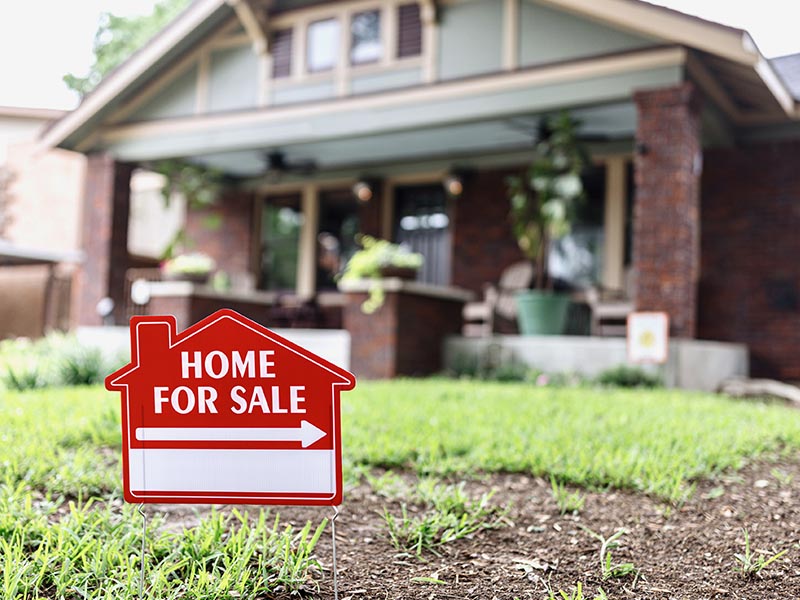
If your home is served by a private well, New Jersey law requires water testing before the sale can close. It’s not optional, it’s not just a buyer’s request, and it can’t be waived. Understanding what’s required and getting ahead of it can mean the difference between a smooth closing and weeks of costly delays. So let’s break down exactly what you’re dealing with.
What Is the Private Well Testing Act?
New Jersey’s Private Well Testing Act (PWTA), which took effect in 2002, requires that any home with a private well be tested for specific contaminants at the time of sale or lease. The law applies to all residential properties that rely on a private well for drinking water, covering a significant portion of New Jersey’s suburban and rural communities.
Under the PWTA, the seller is responsible for arranging and paying for the water test, which must be conducted by a laboratory certified by the New Jersey Department of Environmental Protection (NJDEP). Results must be shared with the buyer before closing.
The law’s purpose is straightforward: it ensures that buyers know what’s in their drinking water before they commit to a property. For sellers, it’s a legal requirement with real consequences if ignored; it’s also a practical opportunity to get ahead of potential problems before they become deal-breakers. Knowing which contaminants are on the required test panel is the first step in understanding your exposure.
What Contaminants Are Tested Under the PWTA?
The PWTA mandates testing for a specific panel of contaminants. These aren’t arbitrary; they reflect the most common water quality concerns tied to New Jersey’s geology and land-use history.
The required PWTA panel includes:
- Coliform bacteria and E. coli, which are the most commonly flagged contaminants in private wells. Their presence can indicate harmful pathogens from surface water intrusion, aging well casings, or nearby septic systems.
- Nitrates and nitrites, which appear at elevated levels in agricultural areas and near older septic systems. High concentrations pose a particular health risk to infants and pregnant women.
- Volatile organic compounds (VOCs), including industrial solvents and fuel-related compounds, can migrate through soil and into groundwater. New Jersey’s industrial history makes VOC testing especially relevant.
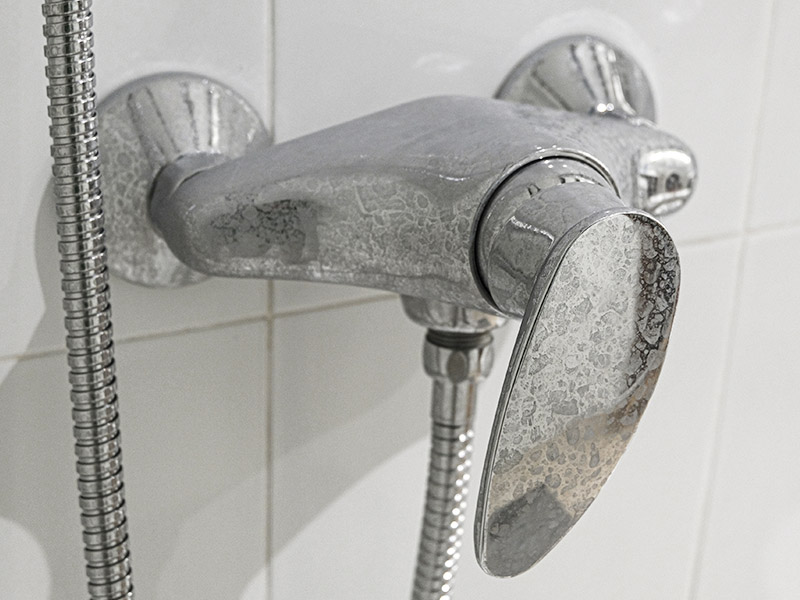
- pH, which measures water acidity. Highly acidic water can corrode pipes and plumbing, leaching lead or copper into the water supply over time.
- Gross alpha radiation, which can be elevated by naturally occurring radioactive materials found in certain New Jersey geological formations.
- Mercury, arsenic, lead, and other heavy metals, which can originate from natural geological sources, aging infrastructure, or nearby industrial sites.
Beyond the standard PWTA panel, additional testing may be required depending on the property’s location, local geology, or prior land use. In some counties and municipalities, local ordinances layer additional requirements on top of the state law, so it’s worth confirming what applies to your specific address. That clarity upfront is what protects you later.
How a Failed Water Test Can Delay Your Sale
Imagine you’re two weeks from closing. The buyer’s mortgage is approved, the movers are booked, and then the PWTA results come back with elevated coliform bacteria levels above the state’s maximum contaminant levels (MCLs). At that point, the clock starts over.
Remediation, whether it means shocking and disinfecting the well, installing a treatment system, or investigating the source of contamination, takes time. Treatment system installation typically requires a few days to a few weeks. Verifying that the treatment is working requires a follow-up test, which adds more lab processing time on top of that. Once the results are back, they still have to be reviewed, accepted, and formally incorporated into the closing process.
In practice, a single failed water test can push a closing back by four to six weeks or more. That’s four to six weeks of carrying costs, potential rate lock expirations, and anxious buyers who may start to wonder whether they want to proceed at all. The frustrating part is that most of these delays are entirely preventable, and the solution is simpler than most sellers expect.
Why Early Water Testing Is the Smartest Move a Seller Can Make
The single most effective thing a New Jersey home seller can do to protect their closing timeline is to test their water early, ideally before the property is even listed.
Fix Water Quality Issues Before Your New Jersey Home Goes on the Market
When you test proactively, you have something invaluable: time. If an issue comes up, you can address it before the buyer ever knows there was a problem. You can install a certified treatment system, re-test to confirm the water meets state standards, and present clean results at the time of contract. Rather than a source of stress, your water test becomes a genuine selling point, serving as documented proof that your home’s water is compliant.
Early PWTA Testing Gives NJ Sellers More Remediation Options
Early testing also gives you more options as a seller. When a water quality issue surfaces mid-transaction, there’s immediate pressure to remediate fast, which can lead to less favorable contractor terms or rushed decisions about treatment systems. Testing ahead of time means you can take a measured approach, get multiple quotes, and choose the right solution without the clock working against you.
A Clean Water Test Report Strengthens Your Home Sale
There’s another benefit that’s easy to overlook: transparency. Sharing a clean water test report before or at the time of contract tells the buyer that you’ve done your due diligence and that there’s nothing to hide. That kind of openness builds genuine trust, and in a competitive market, it can actually strengthen your negotiating position.
What to Expect from the Testing Process
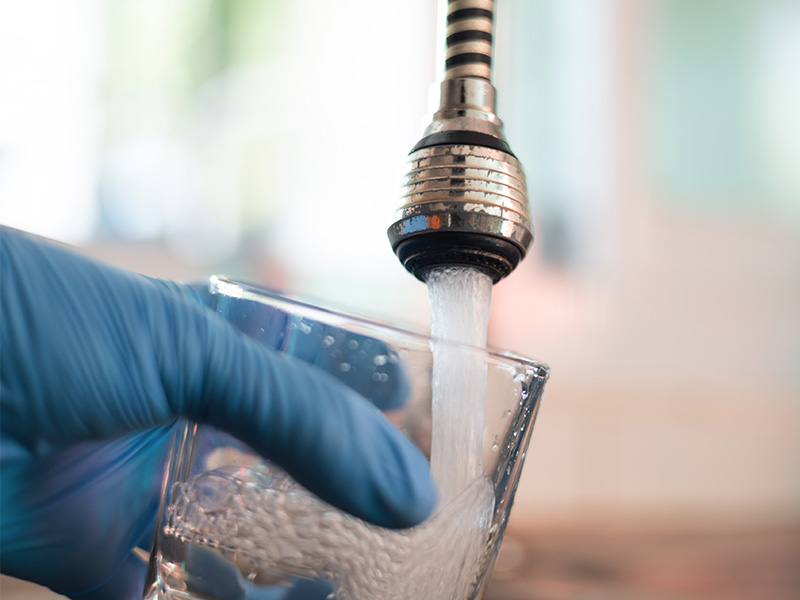
The good news is that the PWTA testing process itself is simple, especially when you’re working with a certified laboratory. A water sample is collected from a cold-water tap, typically in the kitchen, properly preserved, and delivered to the lab within the required holding time. The lab then analyzes the sample against the full PWTA panel and provides a certified report.
Some contaminants, like bacteria, have strict holding time restrictions that call for faster processing. Others, like VOCs and gross alpha, may take slightly longer to analyze. Either way, a reputable certified lab will walk you through the expected timeline and keep you informed throughout the process.
If your results come back clean, you’ll have the certified report ready to hand over to your attorney, real estate agent, or buyer. If any parameter exceeds the state’s MCL, your lab or a water treatment professional can help you understand your options and map out a remediation plan.
Don’t Wait Until You Have an Offer
The most common mistake New Jersey homeowners make with water testing is waiting until they’re already under contract to get it done. By that point, you’re working against a closing deadline rather than ahead of it, and the options available to you narrow considerably.
Schedule your PWTA test as early as possible, ideally when you’re first thinking about listing. It’s one of the simplest, least expensive steps you can take to protect the value of your home and the integrity of your transaction. Get ahead of it now, and it becomes a non-issue at the closing table.
At Innovative Water Solutions Laboratories, we’re a leading water testing laboratory in New Jersey with deep experience helping homeowners navigate the PWTA process. We provide fast, accurate results with clear reporting, and we’re here to answer your questions every step of the way.
Ready to keep your home sale on track? Contact us today to schedule your PWTA water test and prevent water quality from becoming a roadblock.