
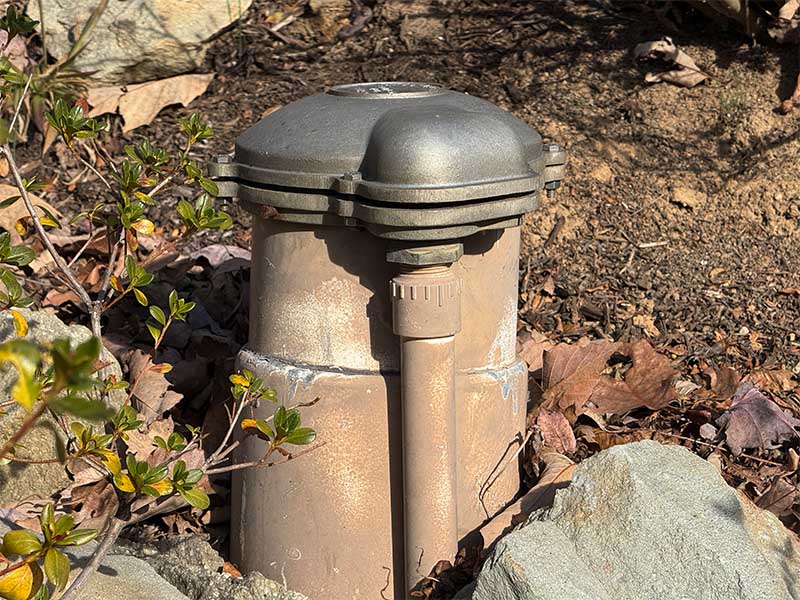
If your home relies on a private well, you’re responsible for making sure your water remains safe to use. Unlike public water systems, private wells aren’t routinely monitored, so problems can develop without obvious warning signs. Learning when to test your well water helps you protect your family’s health, plumbing, and appliances before small issues become costly ones.
Innovative Water Solutions Laboratories provides professional well water testing that helps you understand exactly what’s in your water. With accurate laboratory analysis and dependable service, we help you make informed decisions about your home’s water quality.
Why Regular Well Water Testing Is Essential
Many homeowners assume their well water is safe because it looks clear and tastes normal. Unfortunately, many contaminants have no color, odor, or taste, so your senses can’t tell you whether your water is safe. Unlike municipal water systems, the testing of your private well is entirely your responsibility.
Since well water quality can change due to outside factors, routine testing is the best way to ensure your water remains safe to drink. Testing can identify bacteria, nitrates, heavy metals, minerals, and other contaminants, enabling you to take prompt action if an issue is found.
Testing also helps protect your plumbing and appliances. Excessive minerals and sediment can reduce efficiency, clog fixtures, and shorten the lifespan of water heaters, dishwashers, and washing machines. Annual testing gives you confidence in your water quality while helping you avoid unexpected maintenance expenses.
Changes in Taste, Smell, or Appearance Are Clear Warning Signs
One of the clearest signs your well water needs to be tested is a noticeable change in its taste, smell, or appearance. A metallic taste may indicate elevated iron or manganese, while a rotten egg smell often points to hydrogen sulfide gas or sulfur bacteria. Musty odors can suggest bacterial growth or organic matter entering the well.
Changes in appearance are equally important. Brown, yellow, or reddish water may indicate iron, rust, or sediment, while black staining often results from manganese. Blue-green stains can signal copper corrosion, and cloudy water may contain suspended sediment or other contaminants.
Common signs your well water needs to be tested include:
- A metallic, bitter, or unusual taste
- Rotten egg, musty, or earthy odors
- Cloudy, brown, yellow, or reddish water
- Black or blue-green staining on fixtures
- Sudden changes after heavy rain or flooding
Professional laboratory testing identifies the exact cause of these changes, allowing you to choose the right treatment solution instead of relying on guesswork.
Household Problems That May Point to Poor Water Quality
Not every water quality issue is obvious. Sometimes the warning signs appear throughout your home, indicating it’s time to schedule professional well water testing.
Mineral Buildup and Appliance Performance
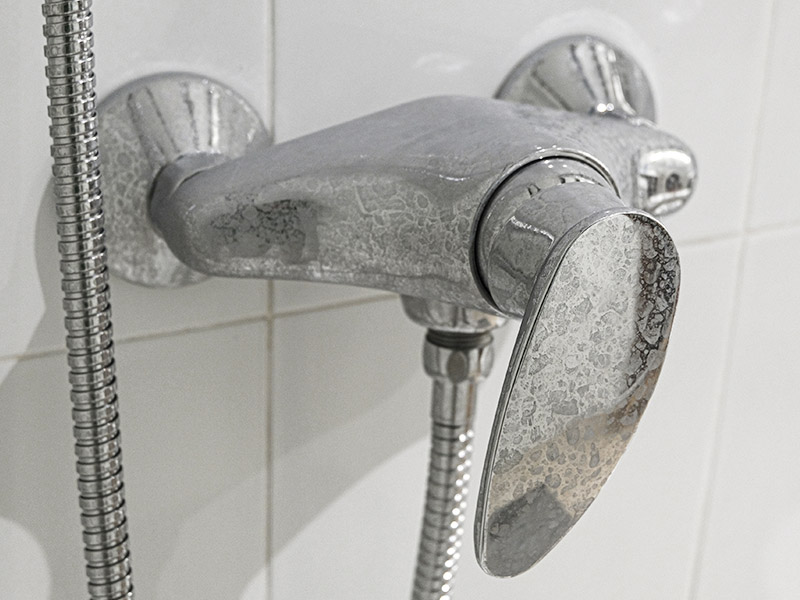
White, chalky deposits around faucets, showerheads, and sinks often indicate hard water with elevated calcium and magnesium levels. While hard water isn’t usually a direct health concern, it can reduce appliance efficiency, clog plumbing fixtures, and increase maintenance costs over time.
Cloudy dishes, frequent water heater repairs, and sediment collecting in faucet aerators may also point to excessive mineral content or sediment in your water supply.
Laundry and Personal Care Issues
Your laundry can reveal hidden water quality problems. Clothes that feel stiff, appear dull, or develop rust-colored stains often indicate elevated iron or hard water minerals.
You may also notice dry skin, difficult-to-manage hair, or soap that doesn’t lather well after bathing. Although these issues don’t necessarily indicate harmful contamination, they often suggest changes in your water chemistry that deserve further investigation.
Plumbing Problems That Shouldn’t Be Ignored
Reduced water pressure, recurring plumbing repairs, or persistent sediment in your plumbing system can signal changes in your well water. These issues may result from mineral buildup, corrosion, or sediment entering your well.
Professional laboratory testing helps determine whether these household problems are cosmetic or signs of water quality concerns that require treatment. Addressing them early helps protect both your home’s plumbing and your family’s water supply.
Events That Mean You Should Test Your Well Immediately
Even if your water seems perfectly normal, certain events can significantly increase the risk of contamination. After any of the following situations, scheduling a professional well water test should become a priority to ensure your water remains safe.
Heavy Rainfall, Flooding, or Severe Storms
Heavy rainfall and flooding can carry bacteria, fertilizers, pesticides, animal waste, and other contaminants into groundwater. If floodwater reaches your well or the surrounding area, contaminants may enter your water supply even if the water still looks clean. Testing after severe weather helps confirm your well remains safe to use.
Well Repairs or System Maintenance
Any work performed on your well, including repairs to the pump, pressure tank, well casing, or plumbing components, can introduce contaminants into the system. Testing after maintenance verifies that the well remains properly sealed and that your water quality hasn’t been compromised during the repair process.
Purchasing a Home With a Private Well
Buying a home with a private well is the ideal time to schedule comprehensive water testing. Even if the previous owner provides maintenance records, a current laboratory analysis establishes a reliable baseline and confirms the water is safe before you rely on it for drinking, cooking, and bathing.
Nearby Construction or Land Use Changes
Construction projects, road work, excavation, blasting, new septic systems, agricultural operations, or commercial development can all affect groundwater quality. These activities may create new pathways for contaminants or disturb underground soil, increasing the potential for changes in your well water.
Rather than waiting until obvious symptoms appear, testing after these events allows you to detect contamination early. Taking a proactive approach helps protect your family’s health, preserve your well system, and reduce the likelihood of costly problems in the future.
Common Well Water Contaminants You Can’t Detect Yourself
Many of the most concerning well water contaminants can’t be seen, smelled, or tasted. That’s exactly why professional laboratory testing remains the most reliable method for evaluating water quality. Without laboratory analysis, you could be exposed to substances that affect your health or damage your plumbing without ever noticing a change in your water.
Bacteria and Other Microorganisms
Bacteria such as total coliform and E. coli are among the most important contaminants to monitor. Their presence often indicates that surface water has entered your well, potentially carrying harmful microorganisms. Contaminated water can increase the risk of gastrointestinal illness and other health concerns, making bacterial testing an essential part of routine well maintenance.
Nitrates and Chemical Contaminants
Nitrates are another major concern, particularly for households with infants or pregnant women. Fertilizer runoff, septic systems, and animal waste can all contribute to elevated nitrate levels in groundwater. Other chemical contaminants, including pesticides and volatile organic compounds (VOCs), may also enter your well depending on nearby land use and environmental conditions.
Heavy Metals and Naturally Occurring Minerals
Heavy metals such as arsenic, lead, uranium, and mercury may occur naturally or result from aging plumbing materials and environmental factors. Long-term exposure to elevated concentrations can pose serious health risks. Other naturally occurring substances, including iron, manganese, sulfates, and fluoride, may not always create health concerns but can affect your water’s taste, appearance, and impact on plumbing fixtures and appliances.
Why Professional Laboratory Testing Matters
Although home test kits can provide basic screening for certain substances, they typically don’t offer the accuracy or comprehensive analysis needed to evaluate drinking water safety. Professional laboratory testing follows strict quality control procedures and uses validated testing methods to produce dependable results.
Understanding exactly what’s present in your water allows you to choose the right treatment solution, maintain your well properly, and establish a testing schedule that helps protect your household for years to come.
Protect Your Home With Professional Well Water Testing
Whether you’ve noticed changes in your water, experienced severe weather, purchased a new home, or simply haven’t tested your well recently, professional laboratory analysis provides the reliable answers you need.
Our team at Innovative Water Solutions Laboratories is committed to delivering accurate, comprehensive well water testing backed by dependable customer service. We test for bacteria, nitrates, heavy metals, minerals, and many other contaminants using trusted laboratory methods, giving you clear results you can confidently act on.
Contact Innovative Water Solutions Laboratories today to schedule your well water test.