
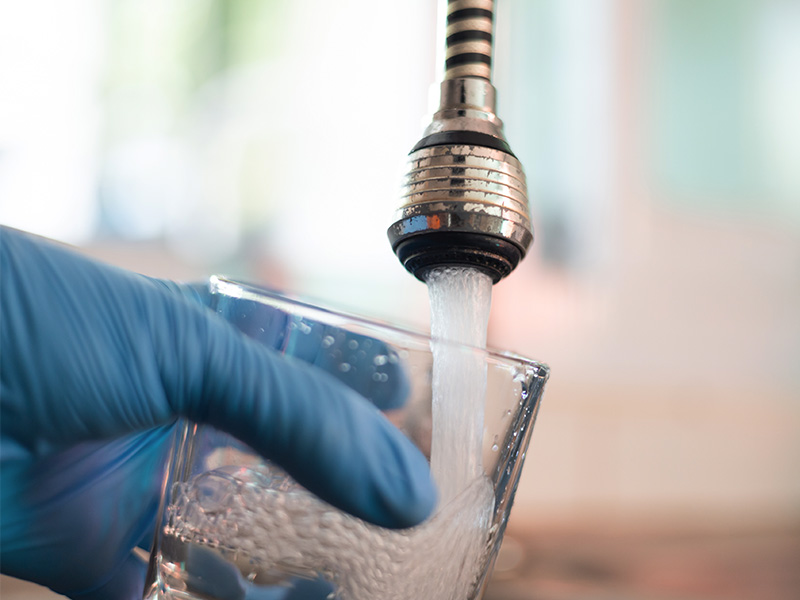
If your home relies on a private well, fall can be a practical time to check your water quality. After months of summer water use, changing weather, and outdoor activity around your property, a laboratory test can give you a clearer picture of what’s coming from your tap before winter.
Fall isn’t the only time you should test your well water, and you shouldn’t wait for a particular season if you have an immediate concern. Still, adding well water testing to your fall home maintenance routine can help you spot changes, keep useful records, and make informed decisions about the water your household uses every day.
Why Fall Is a Good Time for Well Water Testing
Your well water can change over time even when it still looks, smells, and tastes the same. Many water quality concerns aren’t obvious without testing, so appearance alone can’t tell you everything about the water you use for drinking, cooking, bathing, and other household needs.
Fall works well as a seasonal checkpoint because it comes after summer use and before colder weather can make outdoor maintenance less convenient. If you test around the same time each year, you’ll also create a more consistent record that can make it easier to compare results from one year to the next.
That seasonal routine should stay flexible. If your property experiences flooding, well repairs, a sudden odor, discoloration, or another noticeable change, it makes more sense to test when the issue occurs than to wait for fall.
How Seasonal Conditions Can Affect Your Private Well
A private well draws from groundwater, and conditions around your property can influence that supply. Rainfall, drainage, nearby land use, and the physical condition of the well can all matter. Seasonal changes don’t automatically mean your water has become unsafe, but they can give you a reason to verify that your water quality is still where you expect it to be.
After Heavy Rain or Flooding
Heavy rain can saturate the ground and increase runoff around your property. If water pools near the wellhead, drainage directs surface water toward the well, or your property experiences flooding, it’s worth paying closer attention to your water.
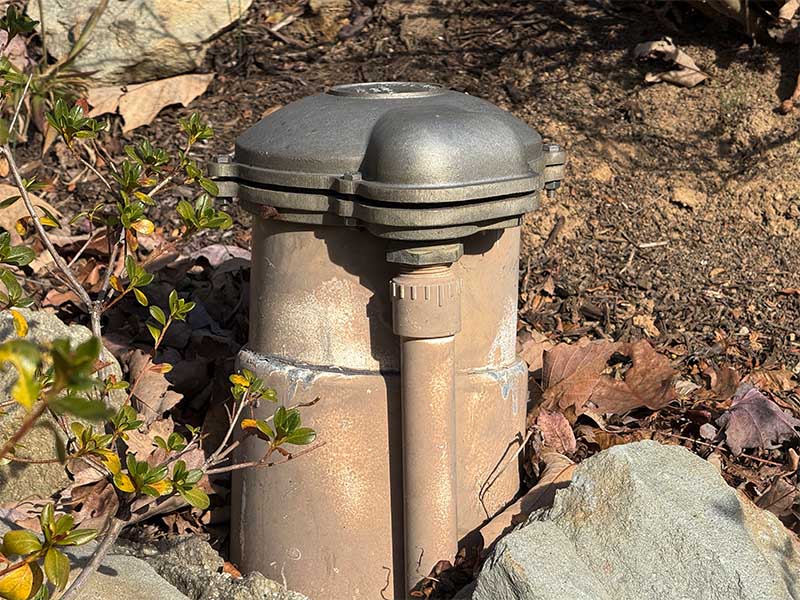
The condition of the well matters too. A damaged cap, poor grading, or another maintenance issue can be a reason to have the well inspected and the water tested. Laboratory testing won’t diagnose the condition of the well itself, but it can evaluate the water for the parameters selected for analysis.
After Summer Use or Property Work
Summer can bring heavier household water use, and periods of dry weather may change how your well performs. If you notice more sediment, a different taste or odor, or another change in the water, fall testing can provide useful information as you decide whether additional evaluation is needed.
Landscaping, septic work, construction, or drainage improvements can also change conditions around the well. If soil has been disturbed or drainage now moves differently near the wellhead, a current water test gives you something concrete to compare with earlier results instead of leaving you to guess whether anything changed.
What Should You Test for in Your Well Water?
There isn’t a single testing panel that’s right for every private well. The best choices depend on your location, well construction, nearby land use, previous results, and the reason you’re testing. A focused testing plan is usually more useful than simply ordering the largest panel available.
Common well water testing options may include:
- Coliform bacteria and E. coli: These tests are commonly used to evaluate possible bacterial contamination and the sanitary quality of well water.
- Nitrate and nitrite: These compounds can enter groundwater from several sources, including fertilizers, septic systems, animal waste, and natural processes.
- pH and general water chemistry: These results can provide useful context about your water and may help with plumbing or treatment decisions.
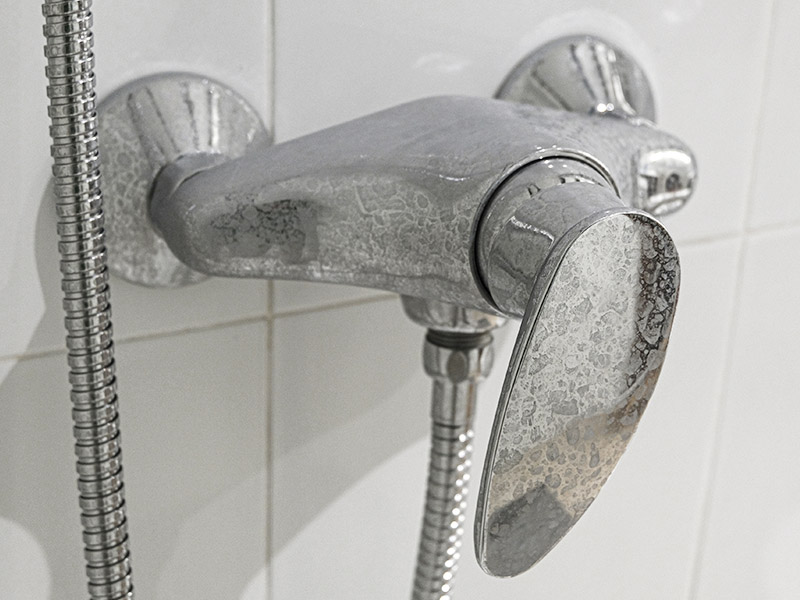
- Hardness, iron, and manganese: These parameters can be associated with scale, staining, metallic taste, or other nuisance water quality issues.
- Contaminants relevant to your property or area: Depending on local conditions, additional testing for substances such as arsenic, lead, or volatile organic compounds may be appropriate.
Innovative Water Solutions Laboratories can help you identify testing options that fit your well, your concerns, and the reason you want your water analyzed. Our goal is to help you gather information that’s useful to your household without adding unnecessary tests that don’t match your situation.
When You Should Test Instead of Waiting for Fall
A fall testing routine is helpful, but some situations call for testing sooner. Flooding, significant standing water near the well, well or pump repairs, sudden changes in color, odor, taste, or clarity, and major work near the well are all reasons to consider testing outside your normal schedule.
You may also want to test during a home sale or when a previous result needs follow-up. Think of fall testing as a routine checkpoint, not a substitute for testing when conditions change. That approach gives you both a consistent baseline and the flexibility to respond when something unusual happens.
How to Prepare for Well Water Testing
Once you’ve decided to test your well water, the next step is making sure the testing approach matches your reason for testing. The details can vary depending on the type of analysis, the water source, and the services being used, so you shouldn’t assume every well water test follows the same process.
Before testing, it helps to be clear about what you want to learn. You may be checking routine drinking water quality, following up after flooding or repairs, investigating a change in taste or odor, or monitoring a previous result. That context can help determine which analyses are most relevant and whether untreated water, treated water, or another point in the system should be evaluated.
It’s also important to follow the laboratory’s guidance for the specific testing service you’ve selected. Requirements can differ by analysis, and those details can affect how the testing is handled. If you’re unsure which option fits your situation, our team can explain the available water testing services and help you understand what information each analysis is designed to provide.
This approach keeps the focus where it belongs: choosing the right test and getting results that answer the question you’re actually trying to solve. You don’t need to guess at the process before you know what type of testing is appropriate for your home.
How to Use Your Well Water Test Results
When you receive your report, look at what was tested, the reported result, any reference information provided, and whether follow-up is recommended. A number by itself doesn’t tell the whole story, so the next step should be based on the specific parameter and the context of the result.
If a result identifies a concern, the response should match the issue. A bacterial finding may lead to well-system evaluation, corrective action, disinfection, and repeat testing, while a chemical result may lead to additional analysis or consideration of treatment designed for that contaminant.
That’s why it’s usually better to test before purchasing treatment equipment. Different water problems require different solutions, and laboratory data gives you a stronger basis for deciding what, if anything, needs to be addressed. Keep copies of your reports as part of your home records so you can compare results over time and share useful history with a well contractor or treatment professional when needed.
Why Professional Water Testing Matters
Home test strips can be useful for limited screening, but professional laboratory testing is the better choice when you need documented results for specific water quality parameters. A laboratory report gives you information you can review, compare over time, and use when deciding whether further testing, maintenance, or treatment is appropriate.
Innovative Water Solutions Laboratories provides water testing for homeowners who want clearer information about the water they rely on every day. We can help you choose testing options for routine private well monitoring, follow-up after a weather or property event, or investigation of a specific water quality concern.
We focus on giving you results that support better decisions, not more guesswork. Whether your next step is continued monitoring, additional testing, well maintenance, or treatment, reliable data gives you a stronger place to start.
Schedule Your Fall Well Water Test With Confidence
Fall is a good time to test your well water because it gives you a practical seasonal checkpoint after summer and before winter. More importantly, lab testing can reveal information that appearance, taste, and odor alone can’t, helping you make more informed decisions about your private well.
Innovative Water Solutions Laboratories is ready to help you choose the right water testing approach for your home and understand what your results mean. If your routine test is due or something around your property has changed, contact our team to schedule your well water testing and get clear, useful information.